Clean your wheels every time you wash the car, and check your tyre pressures about once a month and before any long trip. Brake dust that is left on a wheel can stain its finish, and tyres at the wrong pressure wear faster and grip less well.
Why do wheels get so dirty?
Every time you brake, the pads and discs shed fine dust that settles on the wheels, where it mixes with road grime. Heat from braking helps it stick, so the longer it stays, the harder it is to remove.
How should you clean wheels?
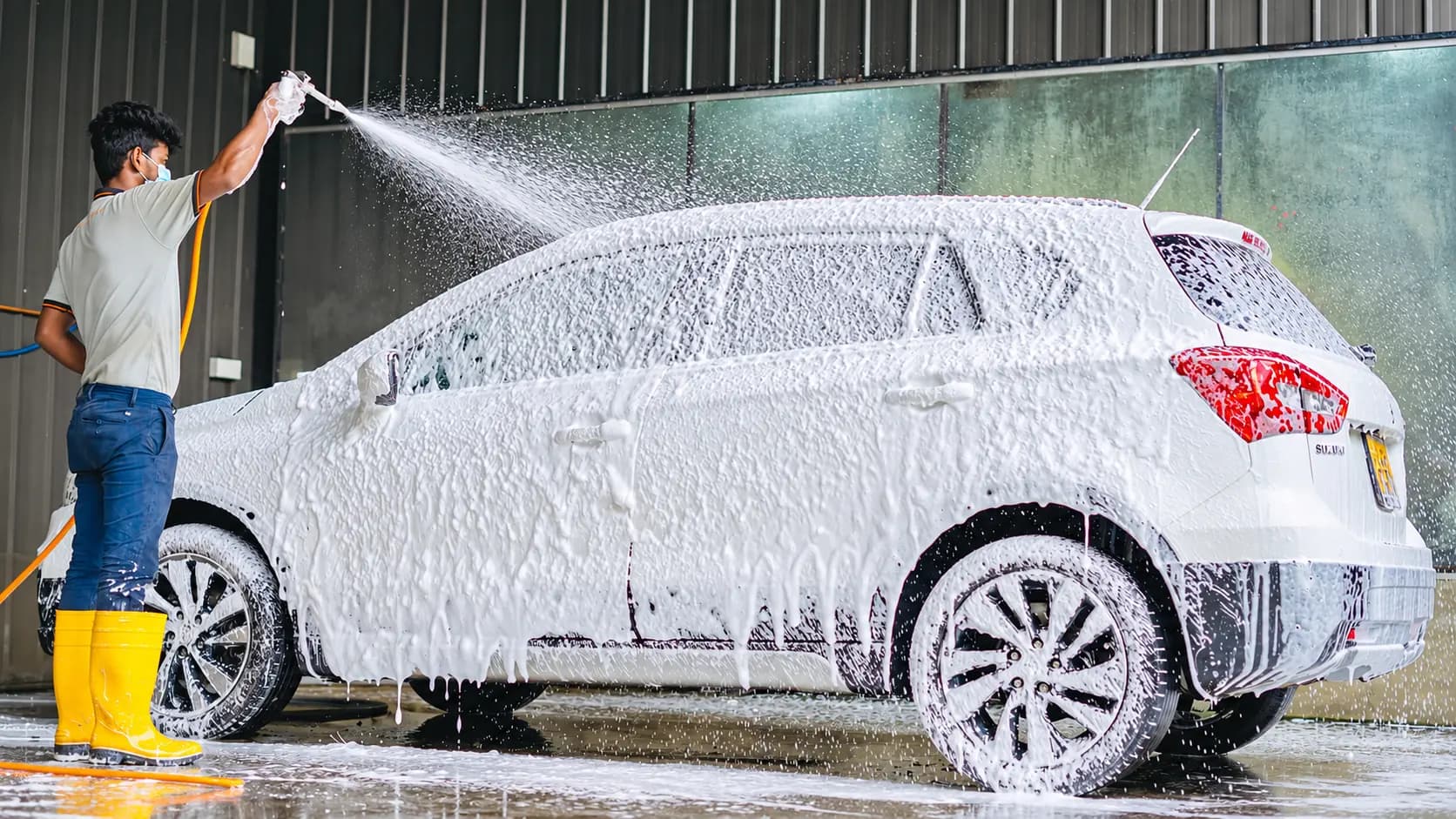
Keep wheel cleaning separate from the rest of the wash.
- Clean the wheels first, so dirty water does not splash onto clean paint.
- Let them cool down before you start. Never spray cold water or cleaner onto hot wheels.
- Use a soft brush or cloth kept only for wheels, and reach between the spokes and around the nuts.
- Rinse well and dry them, so they do not spot.
How do you check tyre pressure?
Check pressures when the tyres are cold, before a journey and not after one. The correct figures for your vehicle are on a label, usually inside the driver's door frame or the fuel flap, and in the owner's manual. Do not go by the number moulded on the tyre itself, which is a maximum for that tyre.
Remember the spare, if your vehicle has one.
What else should you look for?
While you are down at wheel level, look over each tyre.
- Tread that is getting shallow or is worn more on one edge than the other
- Cuts, cracks or bulges in the sidewall
- Nails, screws or stones lodged in the tread
- A tyre that keeps losing pressure
When should you have it checked?
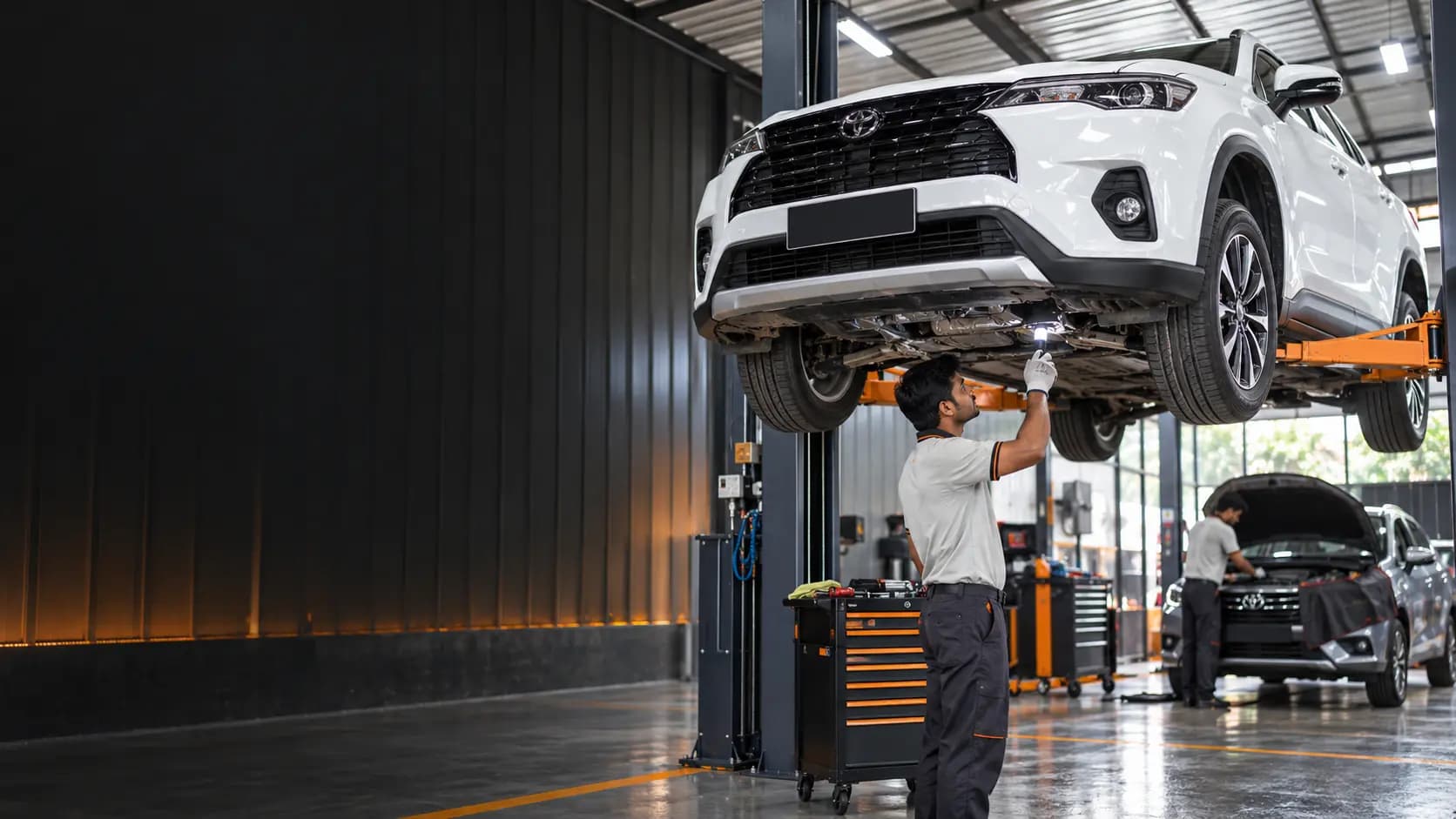
Uneven wear, a vibration through the steering wheel or a car that pulls to one side all point to something beyond the tyre itself. Have the vehicle inspected, and do not put off anything involving a damaged sidewall.
Need a hand with your vehicle?
Send an appointment request or message our team. We will recommend the right service for your vehicle.