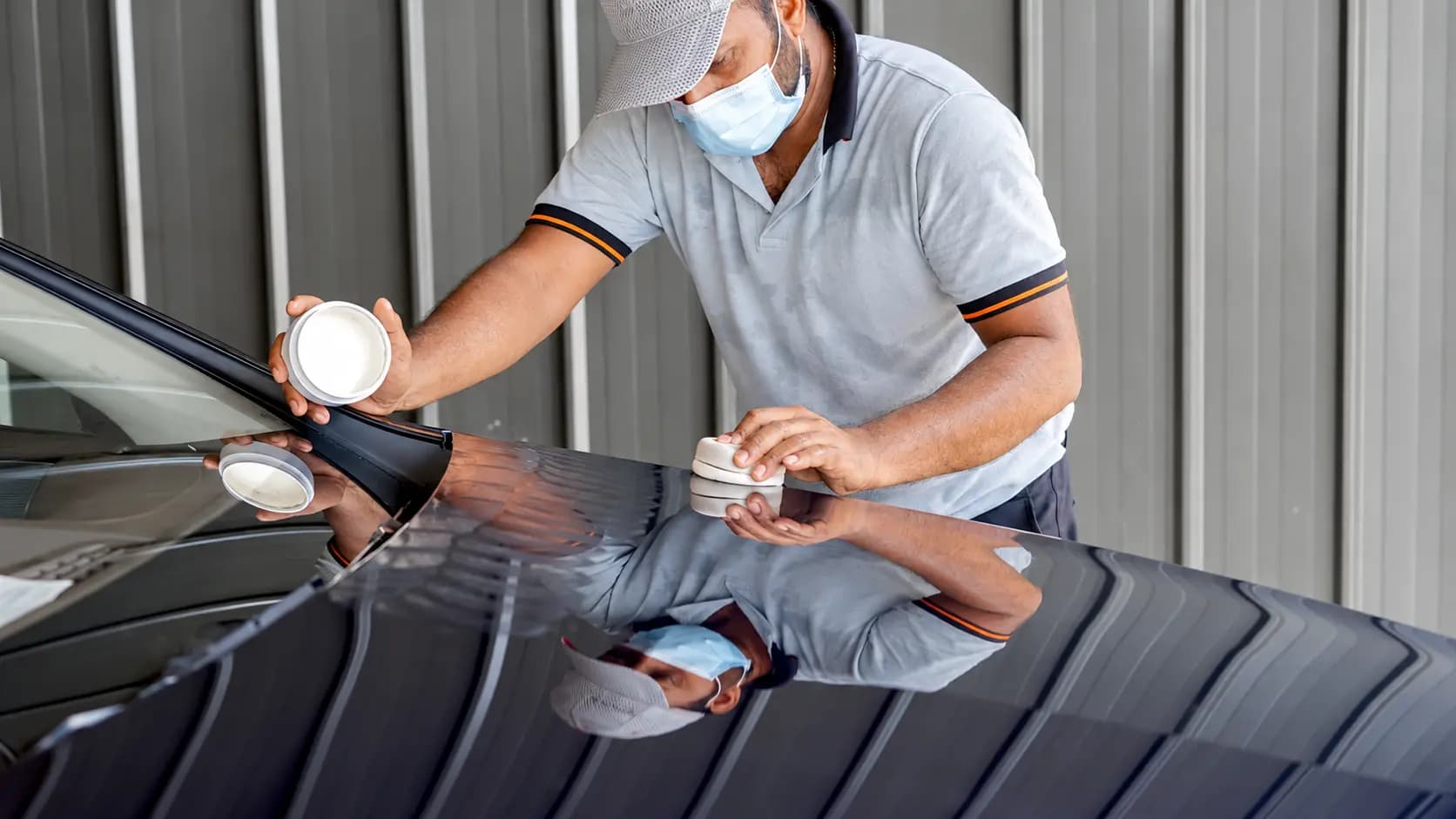
Paint does more than make a vehicle look good. It protects the metal underneath. In a tropical climate it has a lot to cope with: strong sunlight, sudden heavy rain, humidity and, near the coast, salt in the air. Most paint damage happens slowly, which is why prevention is far easier than correction.
Wash regularly, and wash properly
Dirt left on the surface holds moisture and contaminants against the paint. Regular washing removes them before they do harm.
How the vehicle is washed matters too. Dry wiping a dusty vehicle or using a dirty cloth drags grit across the paint and causes the fine swirl marks that dull the finish over time.
Deal with bird droppings and tree sap quickly
Both can etch into the paint, and heat speeds the process up. Remove them as soon as you can with plenty of water and a soft cloth, without scrubbing.
Park in the shade when you can
Long exposure to direct sun fades paint and dries out trim and interiors. Covered parking is ideal. If you park under trees, keep an eye out for sap and droppings.
Keep a layer of protection on the paint
Wax adds gloss and puts a protective layer between your paintwork and the elements. It also makes the vehicle easier to clean, because dirt has a harder time sticking.
Protection wears off with time, washing and weather, so it needs to be renewed. How often depends on how the vehicle is used and where it is parked.
When the shine has already gone
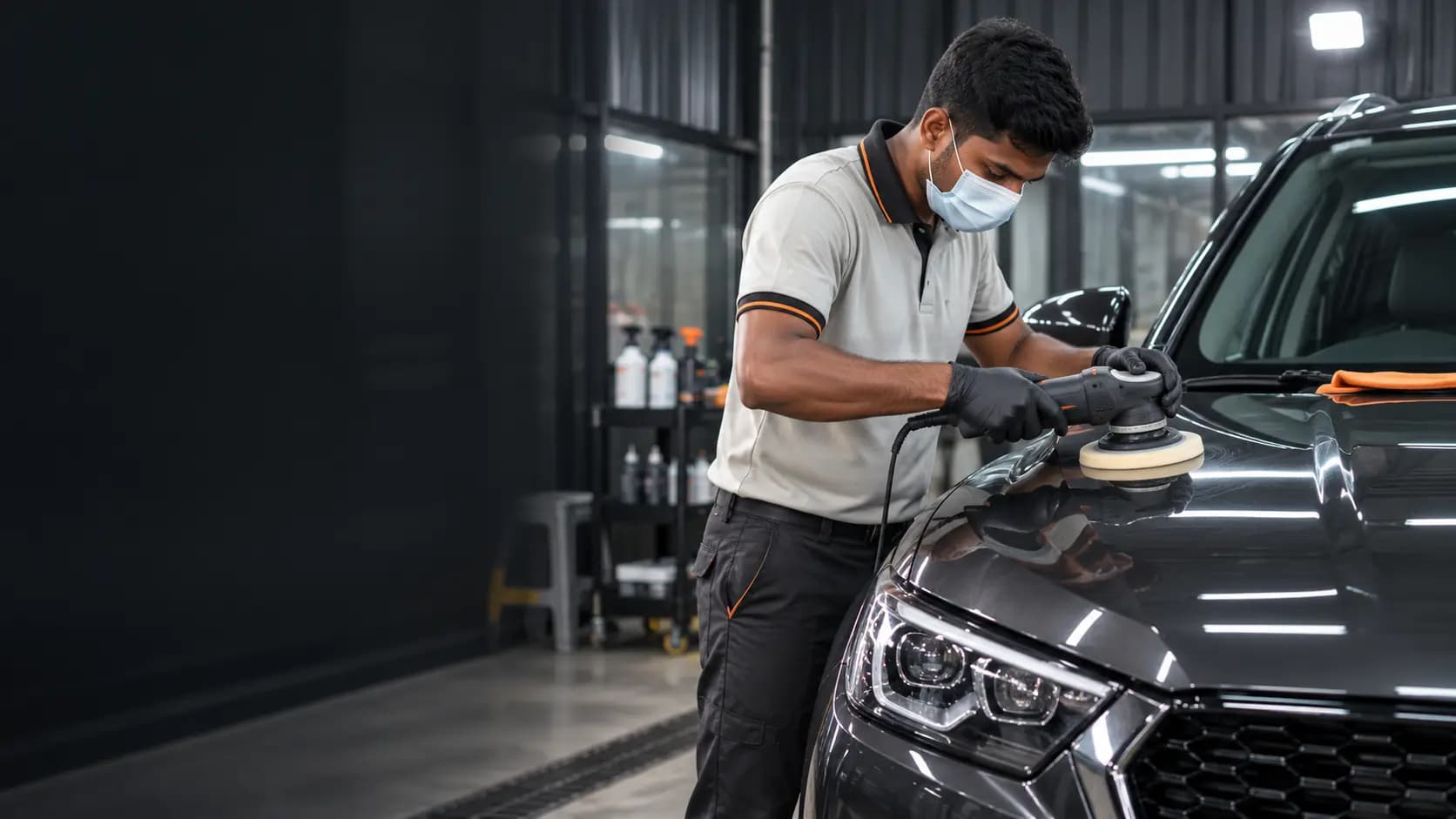
If the paint looks faded, chalky or covered in fine scratches, wax alone will not bring it back. That is the job of a cut and polish: machine paint correction that reduces oxidation and light marks and restores the gloss. Wax then protects the corrected finish.
Need a hand with your vehicle?
Send an appointment request or message our team. We will recommend the right service for your vehicle.